
Key Takeaways
- Prompt Maintenance Is Non-Negotiable - Delayed repairs frustrate tenants and lead to turnover. Use clear request systems, perform routine inspections, and act quickly on issues.
- Comfort and Safety Drive Satisfaction - Common complaints like noise, pests, and poor security can be prevented or solved with proactive policies, regular checks, and timely communication.
- Clear Communication Prevents Conflict - Set expectations in the lease, mediate disputes fairly, and provide easy ways for tenants to report concerns—from rent to neighbor issues.
- Professional Management Makes It Easier - Property managers streamline complaint handling, reduce risk, and keep tenants happy—so you can focus on growing your investment.
Owning a rental property comes with many responsibilities, and one of the most critical is keeping tenants satisfied. When tenants consistently experience issues that go unresolved, it leads to frustration, poor relationships, and higher turnover rates.
On the other hand, when landlords respond proactively to tenant concerns, it creates a more positive living experience and encourages long-term leases.
In this guide, American Dream Realty And Management will help you understand the most common tenant complaints and how to resolve them.
Learn how we can help you maximize your home’s potential.
7 Tenant Complaints and How to Solve Them
1. Maintenance and Repair Delays
One of the most frequent tenant complaints is slow or neglected maintenance. Tenants expect safe and livable conditions, and when repairs are ignored or take too long, it can quickly sour the relationship.
To solve this, set up a clear maintenance request process and respond to service calls promptly. Keep a list of reliable contractors on hand for common issues such as plumbing leaks, HVAC problems, or appliance malfunctions.
Regular property inspections and preventative maintenance can also reduce the volume of urgent requests. When tenants see that you care about the condition of the property, they are more likely to renew their lease.
2. Pest Infestations
The key is to take pest complaints seriously. Arrange a professional inspection right away and follow up with treatment as needed. Provide tenants with clear instructions on how to prepare for extermination and offer guidance on maintaining a pest-free environment afterward.
.jpg "pexels-christina-morillo-1181605%20%283%29")
To prevent infestations, schedule routine pest control services and educate tenants on proper food storage and cleanliness. Addressing potential entry points—like cracks, gaps, and damaged screens—can go a long way in keeping pests out.
3. Noise Complaints
Whether it’s loud neighbors, barking dogs, or late-night parties, noise complaints are common in both multi-unit buildings and single-family homes. Noise affects comfort and quality of life, and tenants may feel their complaints are being ignored if not handled properly.
To resolve this, review your lease agreement to ensure it includes a noise policy. If the noise is coming from another tenant, approach the situation professionally and mediate a solution.
If it’s from an external source like nearby construction, communicate expected timelines and offer solutions like temporary window treatments or white noise machines.
Encouraging tenants to address each other respectfully before escalating the issue can sometimes solve the problem faster. Still, landlords must be prepared to step in and enforce lease terms if it continues.
4. Security Concerns
Security is a top priority for most tenants. If they feel unsafe due to poor lighting, malfunctioning locks, or a lack of security measures, it can lead to anxiety and complaints.
Landlords should regularly inspect doors, windows, locks, and exterior lighting to ensure everything is in working order. In multi-unit properties, consider installing security cameras in shared areas and entrances. Entry codes or secure access systems can further enhance safety.
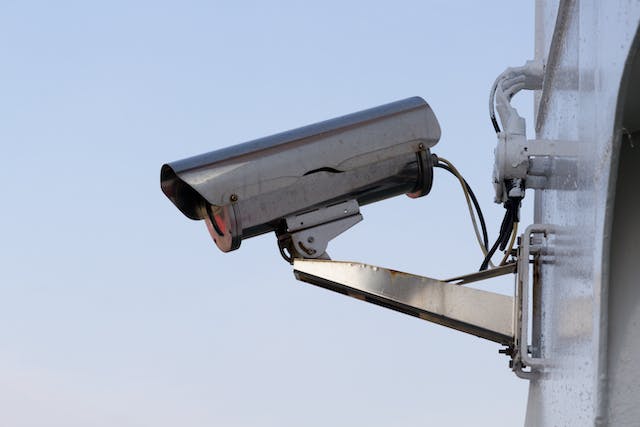
Listen to tenant feedback. If they raise specific concerns—like trespassers in the parking lot or broken gates—take swift action to address them. A secure home promotes peace of mind and tenant retention.
5. Poor Property Condition
Tenants may complain about outdated appliances, worn carpets, chipped paint, or drafty windows. These may not be urgent issues, but over time, they affect satisfaction.
Property owners should treat the property like an investment worth maintaining. Regular upgrades, cosmetic improvements, and annual inspections show tenants that you value their comfort.
Repainting, replacing old fixtures, or improving energy efficiency can make a big impact and reduce complaints.
Additionally, a well-maintained unit tends to attract higher-quality tenants who are more likely to treat the home with care.
6. Disputes with Other Tenants
In shared properties, conflicts between tenants are almost inevitable. These may involve noise, cleanliness in common areas, or shared responsibilities like trash disposal.
As a landlord, you should establish clear rules in the lease and common area guidelines. If a complaint is made, investigate both sides calmly and without bias. Offer mediation or written warnings when necessary.
A sense of community goes a long way in preventing disputes. Encourage mutual respect and keep common areas clean and functional to reduce tension.

7. Rent Payment Issues
When rent payment systems are inconvenient or unclear, tenants may miss due dates or grow frustrated. This becomes a bigger issue when late fees or eviction notices follow.
You should offer online payment portals for convenience, clear instructions, and due date reminders. If a tenant is facing a temporary financial hardship, open communication may allow for a payment plan rather than escalating the situation.
A user-friendly rent collection system reduces stress for both landlords and tenants while ensuring consistent cash flow.
Why Work with a Property Management Company
For many rental property owners responding to complaints quickly and effectively can be overwhelming.
This is where a professional property management company adds value. These companies bring expertise in communication, maintenance coordination, legal compliance, and resident relations.
They have systems in place to handle repair requests, enforce lease rules, mediate disputes, and ensure that all concerns are documented and addressed appropriately.
Property managers are also updated on local laws and regulations, helping you avoid legal trouble related to habitability, fair housing, or lease enforcement.
Their vendor networks often lead to quicker repairs at better prices, improving the resident experience and protecting your investment.
Learn how we can help you maximize your home’s potential.
Final Thoughts
Tenant complaints are a natural part of rental property ownership. What matters most is how you respond to them. By paying attention to common concerns and finding ways to prioritize tenant satisfaction, you not only retain great renters but also enhance your reputation as a responsible landlord.
If it becomes too much to manage on your own, consider partnering with American Dream Realty and Management. Our team can provide the support and peace of mind you need to run a successful rental business.
Contact us today to learn more about our services!
