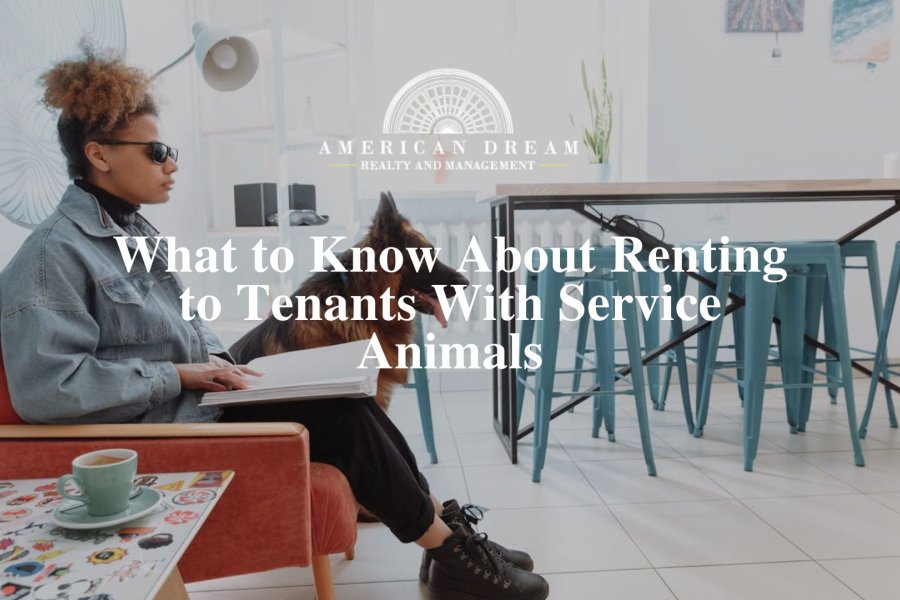
- Service animals and emotional support animals aren’t considered pets, so standard pet policies, fees, and restrictions don’t apply.
- Landlords must make reasonable accommodations under the FHA and ADA, but can still enforce rules related to behavior, cleanliness, and property damage.
- Verification is allowed—but limited: you may request documentation confirming the tenant’s need for the animal, but you cannot ask for medical details or diagnoses.
- Compliance with both federal and local laws is essential, as missteps can lead to discrimination claims or costly penalties.
Owning a rental property gives you control over your policies, from screening tenants to deciding whether pets are allowed. When a tenant requests an exception for a service animal, the rules change.
Understanding how to navigate this situation is critical. Federal and state laws treat assistance animals differently from pets, and missteps can lead to discrimination claims or costly fines. The key is knowing your rights and obligations before you respond.
Keep on reading this article by American Dream Realty and Management to learn more about renting to tenants with service animals.
Learn how we can help you maximize your home’s potential.
Understanding the Law: Pets vs. Service Animals
The key distinction every landlord must know: service animals aren’t pets. Federal law requires landlords to make reasonable accommodations for tenants with verified disabilities who need service or assistance animals, even if a lease agreement prohibits pets.
The Fair Housing Act (FHA) and Americans with Disabilities Act (ADA) protect these tenants, ensuring equal access to housing and independence.
Simply put, if a tenant provides valid documentation showing the animal is essential to their disability, you must allow it, regardless of your pet policy.
What Landlords Can (and Can’t) Ask
You have the right to request documentation, but only within certain limits.
Landlords may ask for written verification from a healthcare provider confirming:
- The tenant has a disability covered under the FHA, and
- The animal provides assistance or support related to that disability.
You cannot ask for details about the tenant’s specific medical condition. For example, it’s acceptable to request a letter verifying the need for the animal, but not to ask what kind of disability the tenant has or why they need the animal.

You may also request proof that the animal is up to date on vaccinations and generally healthy.
Service Animals vs. Emotional Support Animals
Not all assistance animals serve the same function, and landlords should know how each is treated under the law.
Service Animals
Under the ADA, a service animal is usually a dog (or occasionally a miniature horse) trained to perform specific tasks for a person with a disability. These tasks might include guiding someone who’s visually impaired, detecting seizures, or providing medication reminders for PTSD.
Highly trained and essential to their owners’ independence, service animals are permitted in nearly all public and private spaces.
Emotional Support Animals (ESAs)
ESAs, on the other hand, provide comfort and companionship but are not trained to perform specific tasks. They may help tenants manage conditions like anxiety, depression, or post-traumatic stress disorder.
While they’re not covered under the ADA, they are protected under the Fair Housing Act, meaning landlords must still make reasonable accommodations when a tenant provides proper documentation.
Setting Reasonable Expectations
Even though landlords must accommodate service and support animals, they can still enforce reasonable standards of behavior and cleanliness.
When setting expectations with tenants, here’s what’s allowed:
- No Pet Fees or Deposits: You can’t charge pet rent or deposits for assistance animals. However, you can hold tenants responsible for any actual damage caused by the animal.
- No Breed or Size Restrictions: These limitations don’t apply to assistance animals, even if your building typically restricts certain breeds.
- Behavioral Accountability: If an animal is disruptive, aggressive, or causes property damage, landlords can issue written warnings or, if necessary, pursue eviction, provided all actions are documented and justified.

Example: If a tenant’s service dog repeatedly barks through the night and disturbs other residents, you can address it as a lease violation, not because it’s a service animal, but because it’s disrupting the quiet enjoyment of others.
Learn how we can help you maximize your home’s potential.
Handling Verification Requests Properly
When a tenant requests an accommodation for a service or emotional support animal, always respond promptly and professionally. Delays or refusals without review can be interpreted as discrimination.
Best practices include:
- Reviewing documentation as soon as it’s received.
- Keeping all records confidential and secure.
- Providing a written response confirming approval or denial within a reasonable timeframe.
If you deny a request, clearly state your reasons and reference the relevant law or lease clause.
Maintaining transparency and documentation protects both you and your tenant in case of future disputes.
Federal and Local Compliance
While federal laws like the FHA and ADA apply nationwide, state and local regulations may add further requirements or protections. For example, some states require landlords to allow ESAs in common areas, while others only mandate access to living units.
Before finalizing your policies, review your city and state’s fair housing guidelines, or consult a real estate attorney experienced in landlord-tenant law. Staying compliant at every level ensures you’re protected from unintentional violations.
Common Mistakes Landlords Should Avoid
- Charging Pet Deposits or Fees: Assistance animals are exempt from standard pet-related charges.
- Rejecting a Tenant Solely Due to an Assistance Animal: Doing so can be considered discriminatory under the FHA.
- Demanding unnecessary details: Never ask about a tenant’s diagnosis, treatment, or medical records.
- Ignoring Local Laws: State-specific rules may impose additional responsibilities beyond federal requirements.

Taking the time to understand your obligations can save you from legal disputes and maintain your reputation as a fair, professional landlord.
Balancing Accommodation and Property Protection
Allowing service animals and emotional support animals doesn’t mean giving up control of your property. Instead, it’s about creating clear, lawful boundaries.
Landlords can:
- Hold tenants responsible for any damage caused by the animal.
- Include behavior and cleanliness rules in the lease.
- Request proof of vaccinations or health records for safety.
Clear, written policies protect your property while ensuring tenants’ rights are fully respected.
Bottom Line
Assistance animals play a vital role in the lives of tenants with disabilities, and landlords have a legal and ethical duty to accommodate them. Understanding the difference between pets, service animals, and emotional support animals helps prevent costly mistakes and ensures compliance with federal and local laws.
At American Dream Realty and Management, we help landlords navigate the complex legal landscape of rental housing, from fair housing compliance and lease management to tenant screening and maintenance oversight. Our experienced team ensures your properties remain protected, compliant, and profitable, no matter the situation. Contact us today!
